Home | Our Village | Our Schools | Our People | Our Museum | About Us | 225 Club
Our Village
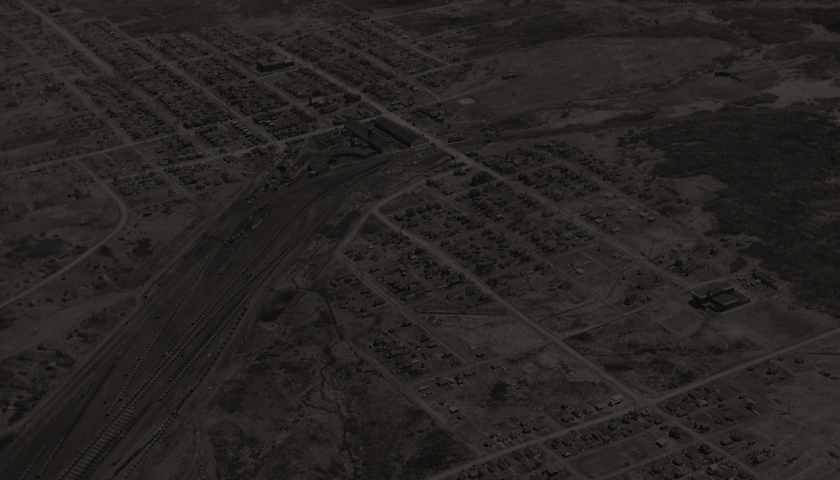
Though Proctor is part of territory known to have been occupied by the Sioux and then the Ojibwe people, the first known settlement of Proctor occurred when the Duluth, Missabe & Northern (DM&N) Railway was built.
In 1891, the Merritt brothers of Duluth founded the Railway to deliver iron ore from Iron Range mines to Lake Superior shipping ports. Without enough flat land available in the hillside city of Duluth for expansive rail yards, they purchased land on top of the hill to develop a car-sorting and maintenance yard for the Railway. After the rail yard became functional, the rail workers who settled there founded the Village of Proctorknott in 1894.
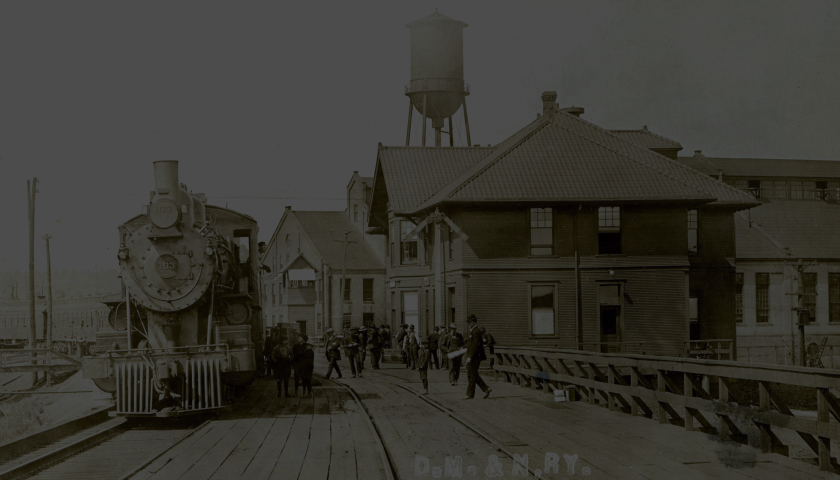
As time passed, the Railway played an important part in developing Proctorknott, which was soon shortened to Proctor. It brought houses, schools, churches, public utilities, a depot, a YMCA, and athletic fields to the community. With the motto, “Safety First,” the Railway wanted Proctor to be a place where their employees could work, live, and play—safely, of course.
In the early 1940s, World War II caused high demand for iron ore, and Proctor became the largest and most productive ore-sorting rail yard in the world. This work was made possible in part by the Missabe Misses, a group of women who stepped into entry-level positions when their sons and brothers were drafted.
Prosperity from the war enabled the Railway to continue its development work in Proctor. In the 1940s, the community built a new village hall, a golf course, and a clubhouse with generous support from the Railway, which had now merged with other area railroads to form the Duluth, Missabe & Iron Range (DM&IR) Railway.
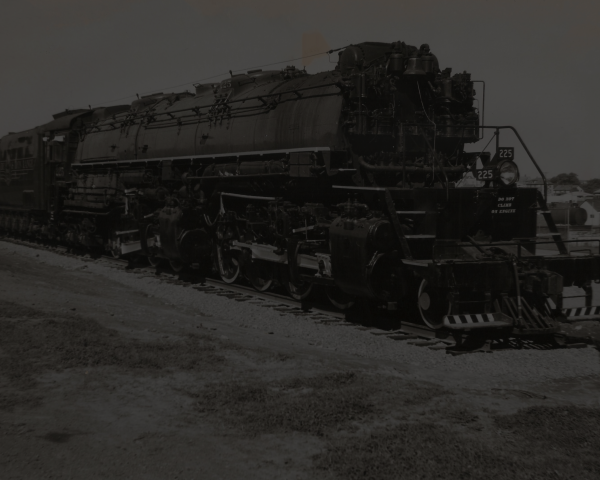
Through the 1950s and beyond, the Railway’s philanthropy became more reserved. And in 1963, the Railway helped install one of its iconic steam engines in the center of Proctor as a memorial of days gone by.
Due to a change in state legislation about villages, the Village of Proctor officially became a city in 1974. And to celebrate the United States Bicentenniel in 1976, business leaders in Proctor founded the Hoghead Festival, a summer celebration that commemorates Proctor’s rich railroad heritage and borrows the nickname of a railroad engineer.
© 2022 Proctor Area Historical Society // Support the Proctor Area Historical Society! // Proctor Curfew Siren
 Proctor Area Historical Society